I appreciate everyone who read my paper last week (Smart Regulation vs. Outright Ban). I didn’t expect it to generate such wide engagement — from regulators, lawyers, economists, and most especially industry players. What struck me most was this: many of us are asking the right questions, but we’re missing critical legal and regulatory facts. That’s what pushed me to write the second brief. With new proposals for an “online gaming tax” making headlines, it’s clear there’s still widespread misunderstanding about how much the sector already contributes.
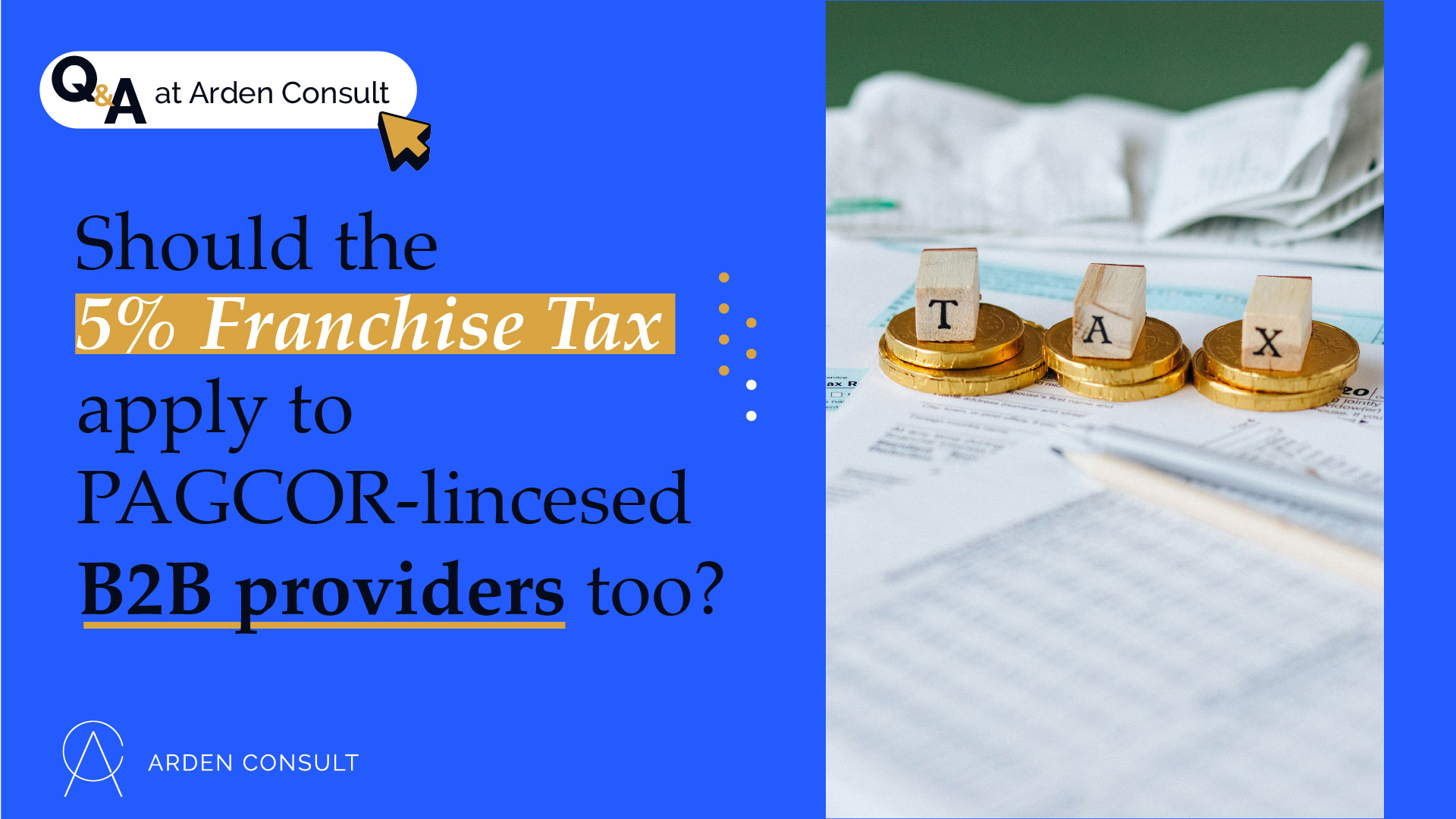
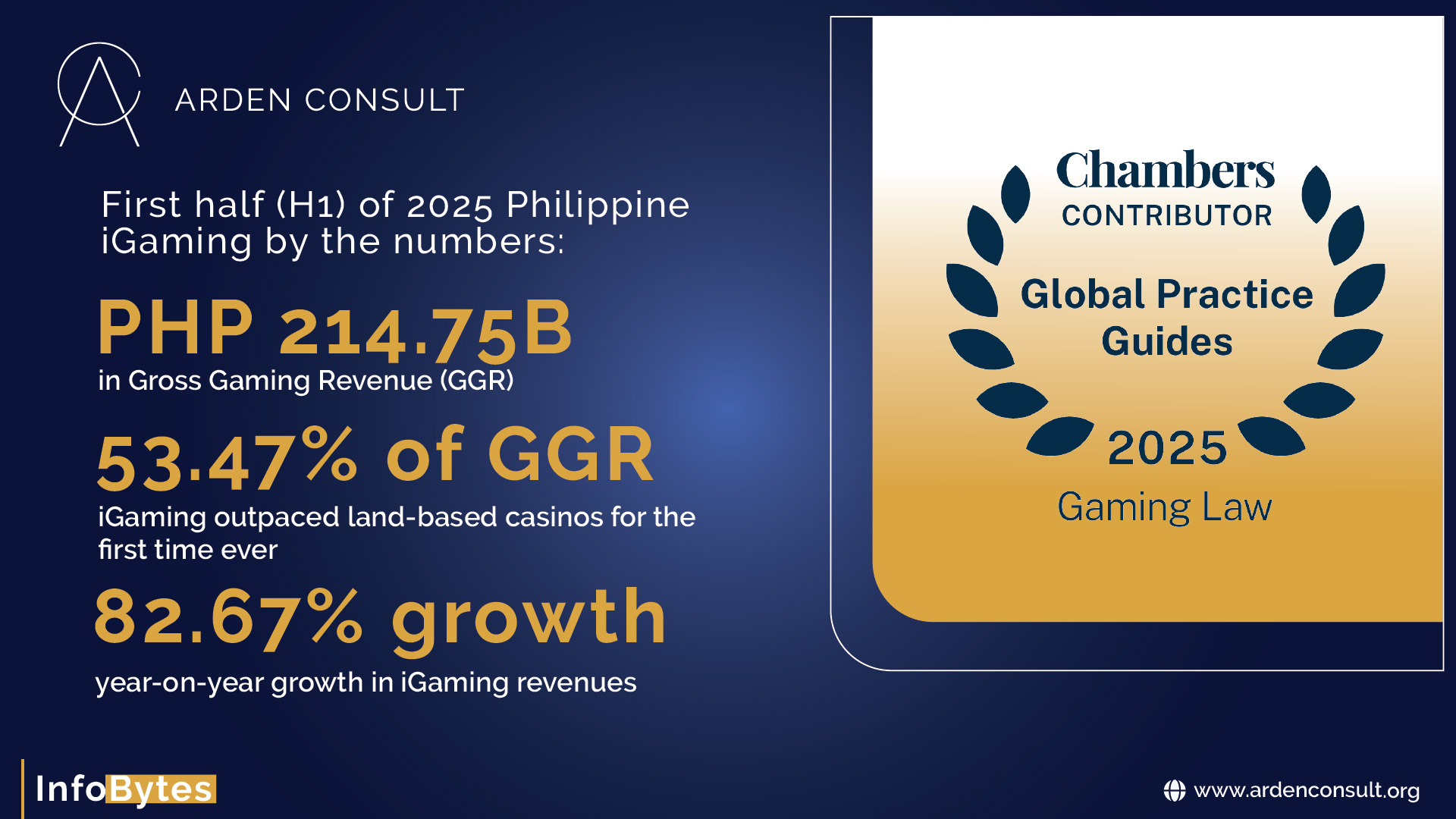
The truth? Philippine-licensed online gaming companies are among the most heavily taxed in the world, with total government take approaching 35% of gross gaming revenue — before profit, and before payroll, withholding, and other business taxes. Meanwhile, illegal operators (who will be the only ones benefitting from a total ban) pay nothing. This new brief unpacks those numbers, challenges the push for new taxes, and continues what I hope will be a meaningful and evidence-based conversation.
A big thank you to my colleagues and other international lawyers who helped shape my thoughts on this matter.
With new proposals for an “online gaming tax” making headlines, it’s clear there’s still widespread misunderstanding about how much the sector already contributes.
No New “Online Gaming Tax” Needed: Philippine Online Gaming Already Pays Substantial Government Fees