
I was recently in Berlin for the International Association of Gaming Advisors (IAGA) conference, where I had the opportunity to engage with some of the world’s most respected gaming lawyers, regulators, consultants, and executives. One thing that stood out was how many international colleagues recognized how far PAGCOR and the Philippines have come in building a credible, structured, and transparent regulatory framework for online gaming. After years of fragmented policies and uncertainty, we now have codified rules, more consistent enforcement, and a licensing environment that other emerging markets are starting to look to as a model.
And yet, here at home, there are growing calls for an outright ban on online gambling. The only ones celebrating this are the illegal operators. They don’t comply with regulations. They don’t pay taxes. They don’t offer consumer protections. If the regulated industry is shut down, players won’t stop gambling—they’ll simply shift to the black market, where there is no oversight, no accountability, and no safety net for those at risk.
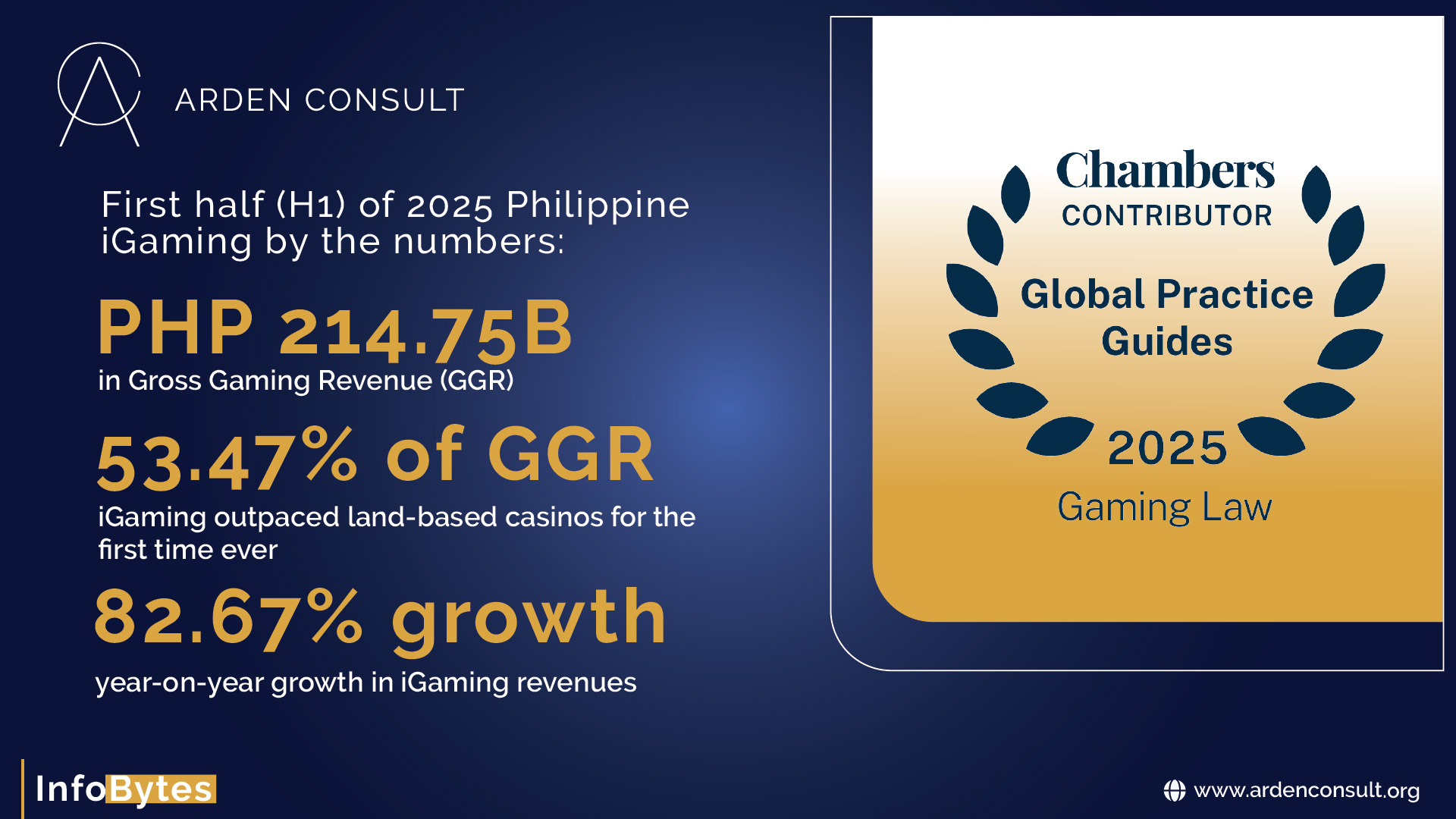
What we need is not prohibition, but smart regulation—regulation that is enforced, adaptive, and grounded in reality. We’ve made significant progress in building a legal and transparent system that works. The growth of regulated platforms reflects migration from the grey market, not a spike in addiction.
I wrote this paper—“Outright Ban vs. Smart Regulation”—as a response to those asking for my opinion, and to contribute to a more informed conversation. I know it’s a long read, but I hope you take the time to go through it. I’ve seen up close, through our daily work with PAGCOR and international stakeholders, just how far the Philippine framework has come.
We hope that we don’t act impulsively and dismantle progress, only to open the door to greater harm. This is a crucial moment—and it deserves thoughtful, data-driven action.
I was recently in Berlin for the International Association of Gaming Advisors (IAGA) conference, where I had the opportunity to engage with some of the world’s most respected gaming lawyers, regulators, consultants, and executives. One thing that stood out was how many international colleagues recognized how far PAGCOR and the Philippines have come in building a credible, structured, and transparent regulatory framework for online gaming. After years of fragmented policies and uncertainty, we now have codified rules, more consistent enforcement, and a licensing environment that other emerging markets are starting to look to as a model.
Why Smart Regulation, Not Prohibition, Is the Path Forward for Online Gaming in the Philippines