The first half (H1) of 2025 delivered the most compelling set of growth numbers in Philippine gaming history. The second half delivered something arguably more important: a regulatory framework built to sustain them.
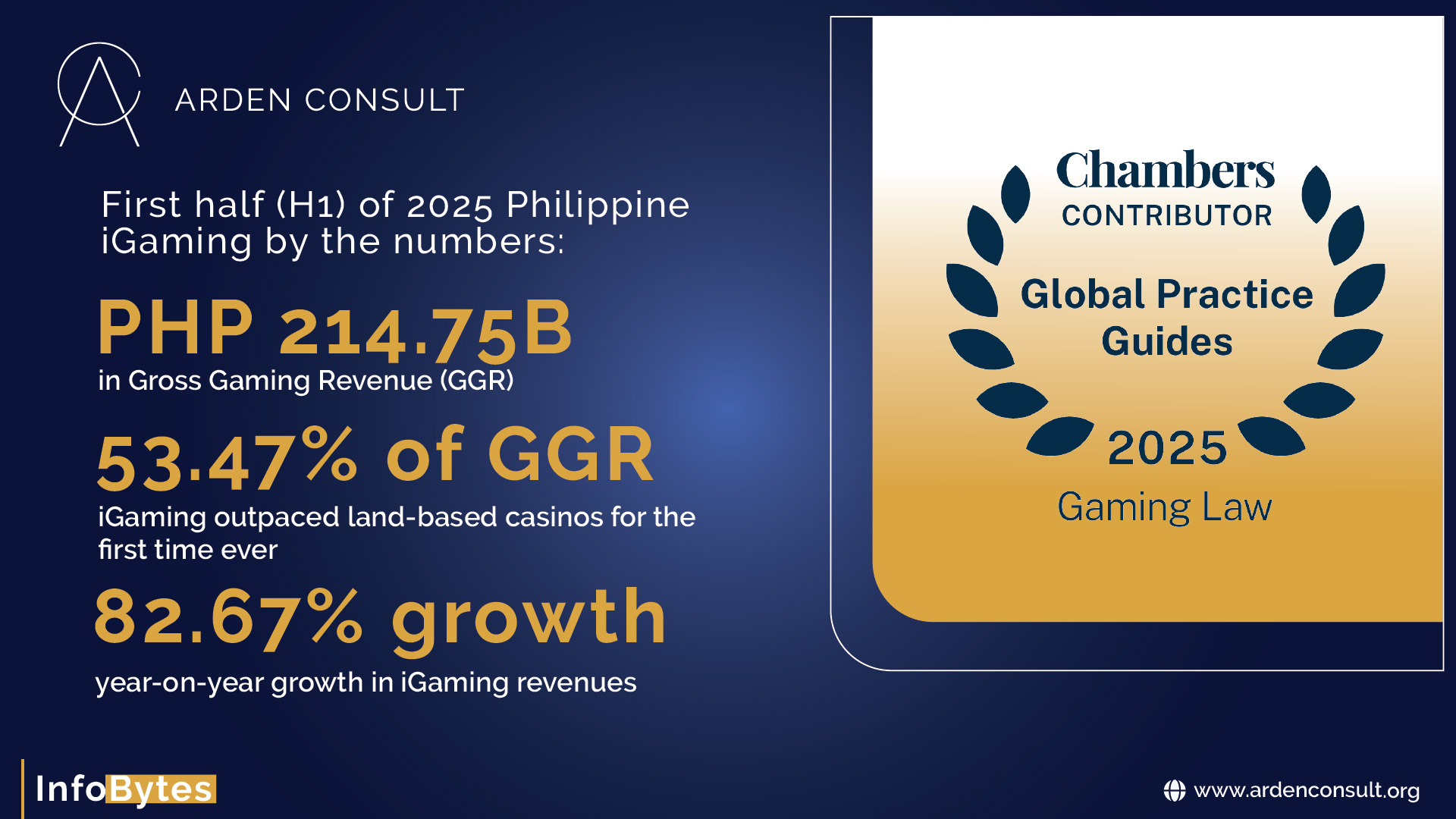
By the time the numbers were in for H1 2025, it was clear that something structural had changed in the Philippine gaming market. Industry-wide Gross Gaming Revenue (GGR) hit PHP 214.75 billion — a 26% increase on the same period the year prior. Online gambling revenues surged 82.67% year-on-year. And for the first time in the history of the Philippine gaming sector, iGaming overtook licensed casinos as the single largest contributor to GGR — generating PHP 114.83 billion and accounting for 53.47% of all gaming revenue in the country.
These are not incremental gains. They represent the arrival of a genuinely digital-first gaming market, years in the making and now confirmed by the data. PAGCOR, having set a full-year GGR target of US$7 billion for 2025, confirmed it was on track to hit it.
And then, in the second half of the year, the market hit a different kind of inflection point — one that was not a slowdown, but a deliberate, necessary, and long-overdue recalibration.
I. The milestone that changed the conversation
The moment iGaming crossed the 50% threshold — accounting for the majority of all Philippine gaming revenue for the first time — it ceased to be a growth story and became a governance story. A sector of that scale, growing at that speed, operating through digital platforms accessible to millions of Filipinos, required a supply chain that could be held accountable. It required a regulated infrastructure, not just a licensed one.
The distinction matters. Licensing governs who can operate. Regulation governs how the entire ecosystem — operators, technology providers, payment processors, testing laboratories, marketing services — functions, interacts, and is held to account. For most of the Philippine iGaming market's early growth phase, the ecosystem had outpaced the framework. By the second half of 2025, PAGCOR began closing that gap decisively.
II. The regulated supply chain: What changed and why it had to
- OCT. 2, 2025 — PAGCOR's B2B Accreditation Framework takes effect. All entities providing products or services that support licensed gaming operations — game content providers, payment gateways, aggregators, testing laboratories, marketing service providers — are required to obtain PAGCOR accreditation before transacting with any licensee.
- DEC. 31, 2025 — Early application window closes. B2B providers submitting applications by this date qualify for a three-year initial accreditation — an incentive designed to drive early compliance rather than last-minute filing.
- MAY 31, 2026 — Extended deadline for full accreditation (previously March 31). Starting June 1, 2026, any B2B service provider without PAGCOR accreditation is deemed unauthorized. Operating without it, or engaging an unaccredited provider, carries regulatory and legal consequences.
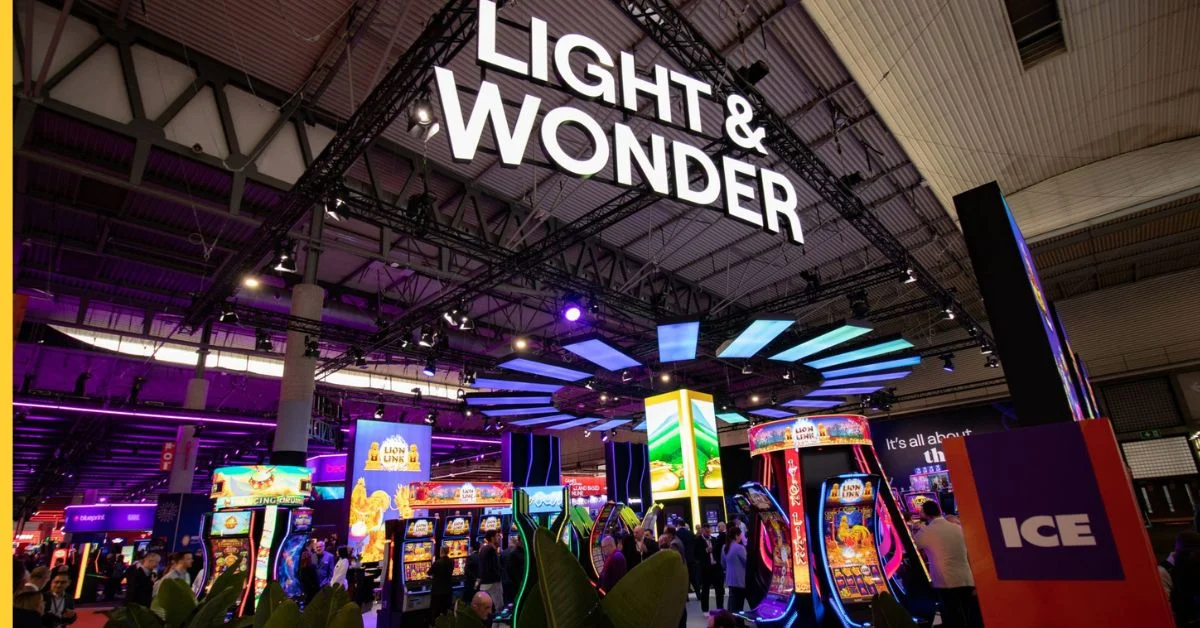
- 2025 MILESTONES — First accreditation issued. Gaming Laboratories International (GLI) became the first accredited Independent Testing Laboratory under the framework — a milestone Arden Consult facilitated. Light & Wonder became the first international accredited systems aggregator and game content provider licensed by PAGCOR.
The B2B Accreditation Framework is not a bureaucratic exercise. It is the construction of a regulated supply chain — the kind that every mature gaming jurisdiction in the world already has, and that the Philippine market had been operating without at scale. It means that every layer of the iGaming ecosystem, from the software that runs the game to the system that processes the payment to the laboratory that certifies the platform, is now subject to PAGCOR oversight, probity checking, and enforceable compliance standards.
A supply chain that cannot be regulated cannot be trusted. A market that cannot be trusted cannot sustain growth. What PAGCOR built in the second half of 2025 was not a constraint on the industry. It was the foundation the industry needed to keep growing.
III. Regulate, Not Ban: The Governance Story the market needed to hear
In July 2025, President Marcos delivered his State of the Nation Address. Online gambling was not mentioned. In a political environment where calls for an outright ban had been gaining public traction — following years of controversy around offshore gaming operations — the silence was widely interpreted as a deliberate signal: the administration's preference was for stronger regulation, not prohibition.
Finance Secretary Recto made the position explicit. The government, he said, was leaning toward raising taxes and tightening regulation rather than pursuing a ban — estimating that a 10% increase in taxes or fees on online gaming could yield an additional PHP 20 billion annually for the national government. The logic was straightforward: a well-regulated, well-taxed gaming sector is a revenue asset. An abolished one is a loss.
"The government was leaning toward raising taxes and tightening regulation rather than an outright ban — a 10% increase in taxes or fees on online gaming could yield an additional PHP 20 billion annually."
— FINANCE SECRETARY RALPH RECTO · THE MANILA TIMES
In the same period, PAGCOR moved on advertising. A formal agreement with the Ad Standards Council established pre-screening requirements for all gambling advertising. By 15 August 2025, all gambling advertisements had been removed from public spaces and primetime television — a visible, public signal that the regulator was taking consumer protection seriously, not merely managing commercial interests.
Taken together, these moves — the B2B framework, the advertising clean-up, the government's fiscal rather than prohibitionist response — describe a regulator and a government that chose the harder, more sophisticated path: not to switch the market off, but to make it work properly.
IV. What the reset means for operators, investors, and the Market
For incumbent operators: the framework creates a cleaner competitive environment. Unaccredited and non-compliant players are systematically removed. What remains is a regulated field where compliant operators compete on product, not on the willingness to cut compliance corners.
For B2B providers and technology companies: accreditation is now the price of entry — but it is also a credential. An accredited provider in the Philippine iGaming supply chain has been vetted, certified, and cleared by a regulator in one of Asia's fastest-growing digital gaming markets.
For investors: a regulated supply chain substantially reduces the risk profile of the market. Capital entering a jurisdiction with enforceable compliance standards, a functioning testing and certification infrastructure, and a government committed to fiscal regulation rather than prohibition is a capital entering a market with long-term structural integrity.
For the Filipino public: a regulated iGaming sector generated verifiable, reportable revenue that flows to the national government and funds public services. Advertising controls protect ordinary consumers. player protection standards, such as self-exclusion, spending limits, and age verification, become enforceable rather than aspirational.
V. 2025 in Summary: A Market that Chose to Mature
The headline story of Philippine gaming in 2025 is the record growth numbers: PHP 214.75 billion in H1; iGaming at 53% of all GGR; online revenues up 82.67%; and a US$7 billion full-year target within reach.
But the more consequential story is the one that happened alongside those numbers — a regulatory architecture being built in real time, by a regulator that understood the difference between growth that is sustainable and growth that eventually collapses under the weight of its own disorder.
Markets that grow fast without governance tend to generate the kind of controversy that ends in bans, reversals, and lost investment. The Philippine gaming market in 2025 chose a different path. The reset at the end of the year was not a ceiling on growth. It was the foundation for the next phase of it.
Arden Consult has been at the center of this transition — advising operators, B2B providers, and international market entrants on licensing, accreditation, and regulatory strategy throughout 2025. Our contribution to the Chambers & Partners Global Practice Guide: Gaming Law 2025 provides a comprehensive analysis of the Philippine regulatory landscape for the international legal and investment community.
Our contribution to the Chambers & Partners Global Practice Guide: Gaming Law 2025 provides a comprehensive analysis of the Philippine regulatory landscape for the international legal and investment community.
Read Arden Consult's contribution to Chambers & Partners Gaming Law 2025